Table of contents
Smart grocery shopping begins with knowing how to compare prices effectively. Many shoppers miss out on significant savings simply because they don’t use the right techniques to analyze costs. Discover proven strategies to master price comparison and maximize your grocery budget in the following sections.
Understanding price differences
Supermarket prices can vary widely based on a host of influencing factors, making grocery price comparison a powerful tool for budget shopping and grocery savings. Store location often plays a significant role, as outlets in urban centers or affluent neighborhoods tend to have higher operational costs, which are reflected in product pricing. Store size also matters; larger retailers may secure better deals from suppliers due to higher volume purchases, resulting in the best grocery deals for shoppers. In contrast, smaller stores may face limited bargaining power and higher supply chain costs, causing their prices to rise. The complexity of supply chains, including transportation expenses, vendor relationships, and regional availability of goods, further shapes supermarket prices across different locations and brands.
A seasoned consumer advocate would recommend analyzing the unit price, a technical term describing the cost per standard measure (such as per ounce or kilogram), to truly assess value among similar products. This method allows shoppers to make fair comparisons between different package sizes and brands, ensuring that the best grocery deals are not just about the lowest shelf price but about actual value received. By staying attentive to these factors during budget shopping, consumers can maximize their grocery savings without sacrificing quality, using grocery price comparison techniques to choose wisely in a crowded marketplace.
Mastering unit price calculation
Understanding grocery unit price is a fundamental skill for achieving effective cost analysis in supermarkets. To accurately compare groceries and identify the best deals, begin by locating the unit price label, which typically displays the cost per ounce or per pound next to the product price on the shelf. If the unit price is not provided, divide the total price by the number of ounces, pounds, or items, depending on the product. For example, if a 16-ounce jar of peanut butter costs $4.00, the price per ounce is $0.25. If a competing brand offers a 40-ounce jar for $8.50, the price per ounce is $0.2125, making the larger jar the better value. This calculation is a core grocery price tip and allows shoppers to properly save on groceries by ensuring a true comparison between package sizes and brands.
Applying this principle across different product categories—such as cereals, cleaning supplies, and meat—enables efficient cost analysis, especially when package sizes vary significantly. Always ensure consistency by comparing the same measurement units (for example, ounces to ounces) to avoid misleading comparisons. Expert financial educators recommend using a calculator or smartphone for quick computations, particularly when discounts or promotions are involved, as these can impact the final grocery unit price. This thorough approach not only helps spot hidden markups but also empowers shoppers to make informed decisions that maximize savings on everyday purchases.
Consistently using unit price and cost analysis techniques allows for smarter shopping strategies, regardless of brand or retailer. By integrating these grocery price tips into every shopping trip, consumers can confidently compare groceries and spot real bargains that contribute to meaningful long-term savings. Adopting this method transforms shopping into a data-driven process, helping to save on groceries by focusing on value rather than marketing or packaging size. This is a vital tool for anyone seeking to optimize their grocery budget and make financially savvy decisions in the store.
Using digital price comparison tools
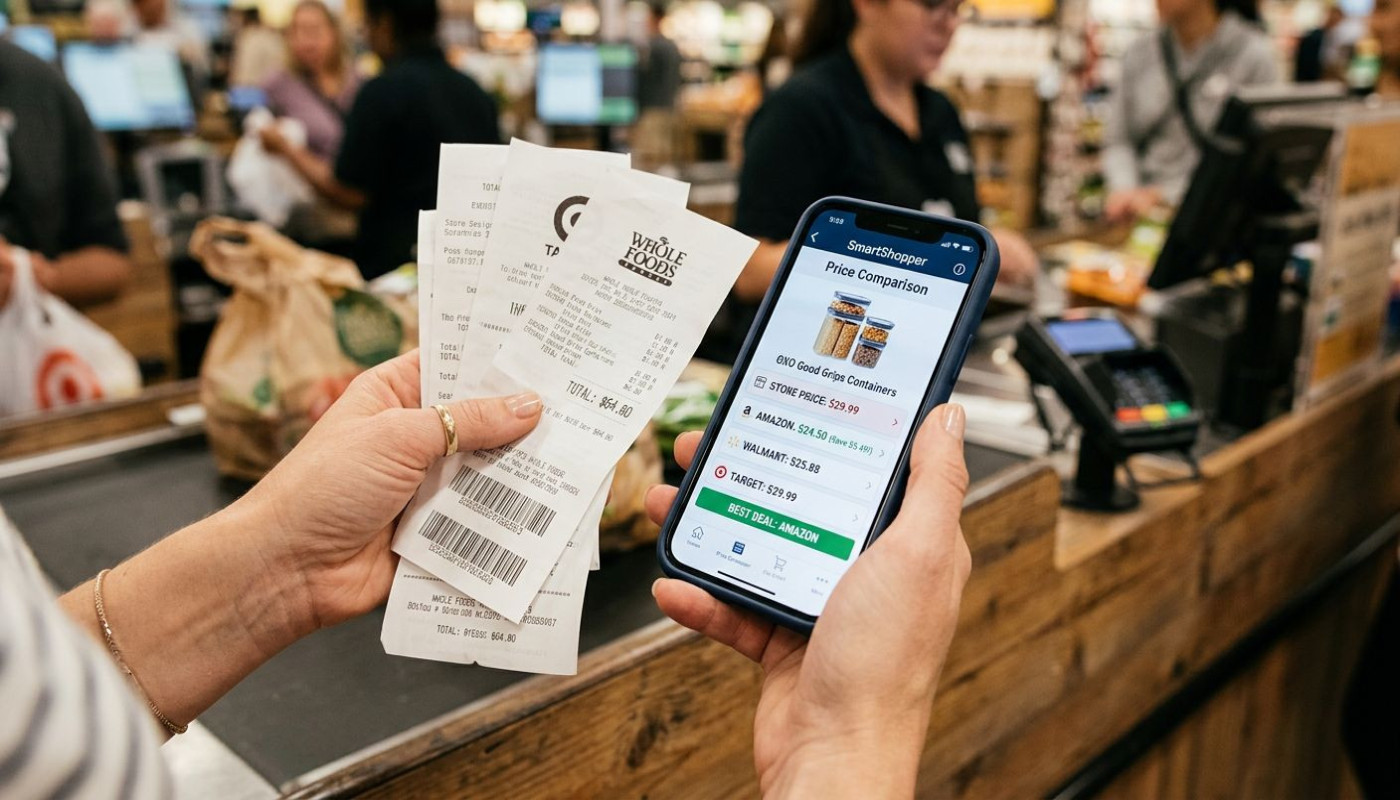
Navigating modern grocery shopping has been transformed by digital grocery tools, enabling consumers to compare prices efficiently before heading to the store or placing an online order. A leading technology consultant would highlight how mobile grocery price apps and online grocery comparison platforms use sophisticated algorithms to gather and display price data from multiple retailers in real-time. These platforms are frequently referred to as price aggregators, a technical term describing software solutions that collect and organize pricing information for easy review. Integrated grocery tech features like barcode scanning and personalized shopping lists help shoppers track savings and locate the best deals based on their location and preferences. By leveraging online grocery comparison solutions, users can shop smarter and avoid overpaying on everyday essentials, streamlining the process of finding value and maximizing their grocery budgets.
Timing your grocery purchases
Understanding when to shop can directly impact how much is spent at the store, as grocery shopping timing is a major factor influencing price fluctuations. Retailers frequently update weekly grocery ads to highlight new deals and markdowns, and savvy shoppers review these to pinpoint the best days for savings. Seasonal grocery deals also play a role, as items often drop in price when produce and non-perishable goods are in abundance due to harvest cycles or holiday surpluses. This pattern of grocery discounts is closely linked to demand elasticity, a technical term that explains how sensitive prices are to changes in consumer demand; for instance, items with high demand elasticity, such as fresh produce, often see significant price shifts depending on the time of year or even the week. For those aiming to maximize their budget, aligning purchases with cyclical grocery sales and leveraging resources like the No Frills Flyer can help track timely discounts. This content has been carefully crafted by a retail strategy specialist to ensure accuracy and actionable advice for optimizing grocery spending.
Leveraging loyalty programs
Grocery loyalty programs represent a proven customer retention strategy, where stores encourage repeat visits and ongoing engagement by offering exclusive benefits to shoppers. Start by enrolling—visit the grocery store's website or customer service desk to register for an account, often linking your phone number or a digital card for seamless tracking. Once enrolled, consistently scan your card or provide your member ID at checkout to earn grocery points on eligible purchases. To truly save with rewards, monitor your account for special offers, double-point events, or targeted grocery discounts on frequently purchased items. Optimize your earnings by stacking these discounts with weekly sales, digital coupons, or partner promotions. Many programs also offer tiered benefits, unlocking greater rewards as spending increases, so tracking progress and adjusting shopping habits can yield even more significant loyalty program benefits. Regularly reviewing emails or app notifications ensures you never miss personalized deals or time-limited bonuses, further enhancing your ability to save and make the most of grocery loyalty programs.
Similar

Exploring the Rise of Online Gambling: Economic Implications and Industry Growth in 2023

Techniques to know before you start investing in the stock market

visitx: an important formality for travelers in Quintana Roo

What games to play during a wedding?
